spread over us the shelter (sukkah) of your peace

ופרש עלינו סכת שלומך
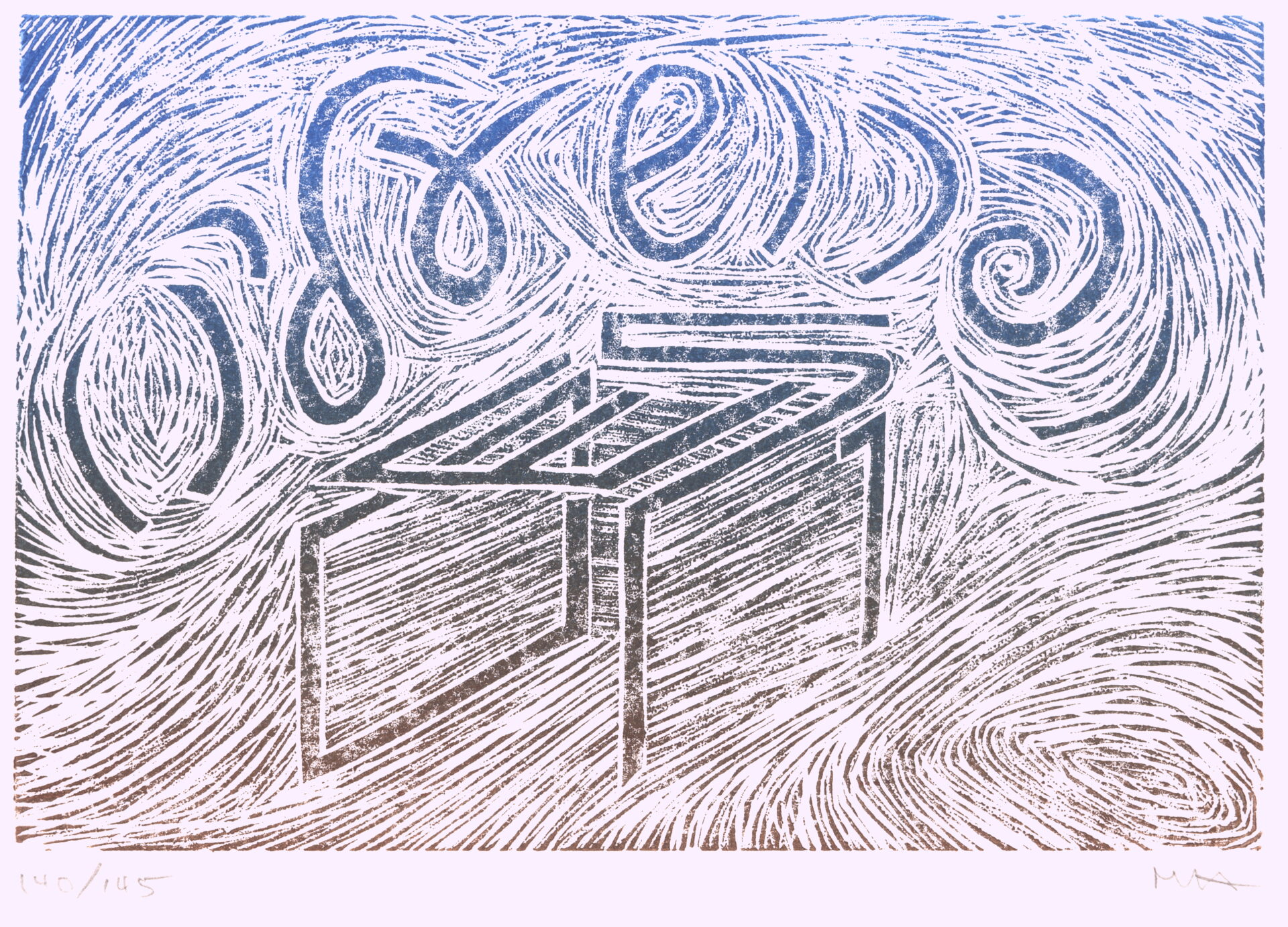
Sifra to Psalm 18:11-12 and Siddur: Ma'ariv: Hashkiveinu

May our efforts in the new year spread clouds of glo­ry as we build true taber­na­cles of peace.

ופרש עלינו סכת שלומך

Spread over us the shel­ter of Your peace

The phrase is recit­ed every evening as part of the evening bless­ings. I have long appre­ci­at­ed the phrase since I learned a par­tic­u­lar melody for the phrase. While many cou­ples have the Song of Songs phrase “I am my beloved’s and my beloved is mine.” (.אני לדודי ודודי לי) inscribed on the inside or out­side of their wed­ding rings. Deb­bie and I have ופרש עלינו inscribed inside ours. The phrase is, clear­ly, dear to my heart.

In 1995 I learned from Jef­frey L. Rubenstein’s arti­cle (Judaism 43 (Fall, 1994) “The Sym­bol­ism of the Sukkah”) some beau­ti­ful imagery about the sukkah that I inte­grat­ed into the book­let I pre­pared for my con­gre­ga­tion in Ramona, CA in 1997:

Rab­bi. Eliez­er says: God made us live in real sukkot.

Rab­bi. Aki­ba says: They were the clouds of glory.

God made dark­ness a per­son­al screen; dark thunderheads;

Dense clouds of the sky were God’s sukkah round about. [Psalm 18:11–12]

Can one, indeed, con­tem­plate the expanse of clouds;

The thun­der­ings from God’s sukkah? [Job 36:29]

Then Adon­ai will cre­ate over Zion and her assem­blies a cloud…

for over all the glo­ry there will be a canopy. [Isa­iah 4:5]

Bring on the clouds Adonai!

As blan­kets to warm us at night.

We wel­come Your moist canopy over us.

The cool blan­kets act like a cloud of dew in the heat of har­vest [Isa­iah 18:4]

Dur­ing which we share a Bib­li­cal Bouquet:

In the image, the “clouds” above are formed by the words ופרש עלינו “spread over us” while the three-sided booth is formed by the let­ters of שלום,

This has long been one of my favorite cards.
Posted in Uncategorized | Tagged , , | Leave a comment

may we increase learning & may we increase sustenance

Pirkei Avot 3:17

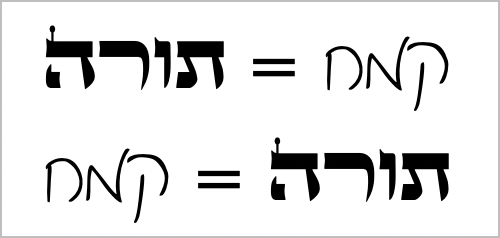
.אִם אֵין קֶמַח, אֵין תּוֹרָה; אִם אֵין תּוֹרָה, אֵין קֶמַח

Where there is no bread, there is no Torah;
Where there is no Torah, there is no bread.

In the new year, as we increase sus­te­nance, may we increase learn­ing,
and, as we increase learn­ing, may we increase sus­te­nance…
lead­ing to a more inte­grat­ed, uni­fied, and bal­anced world.


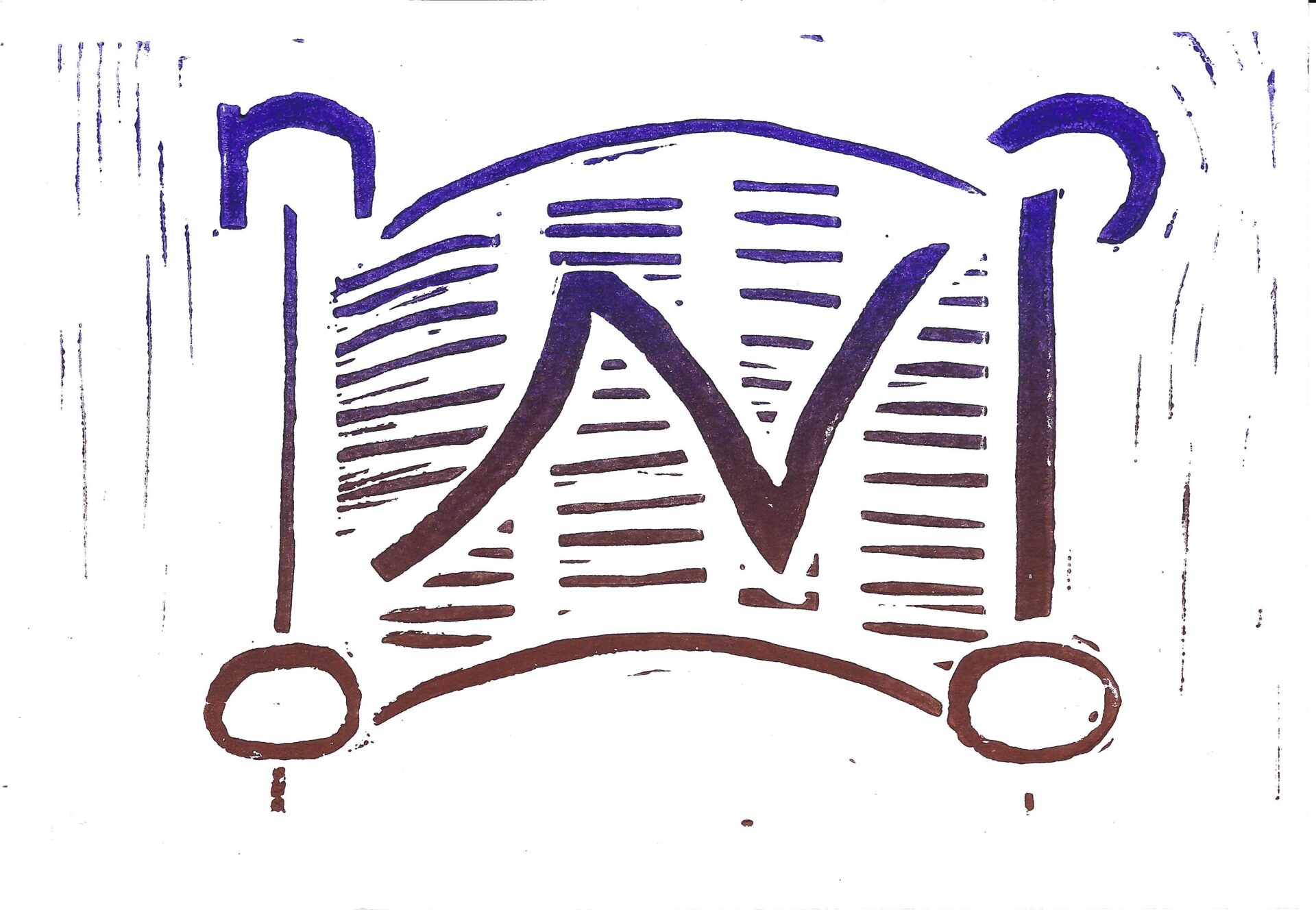
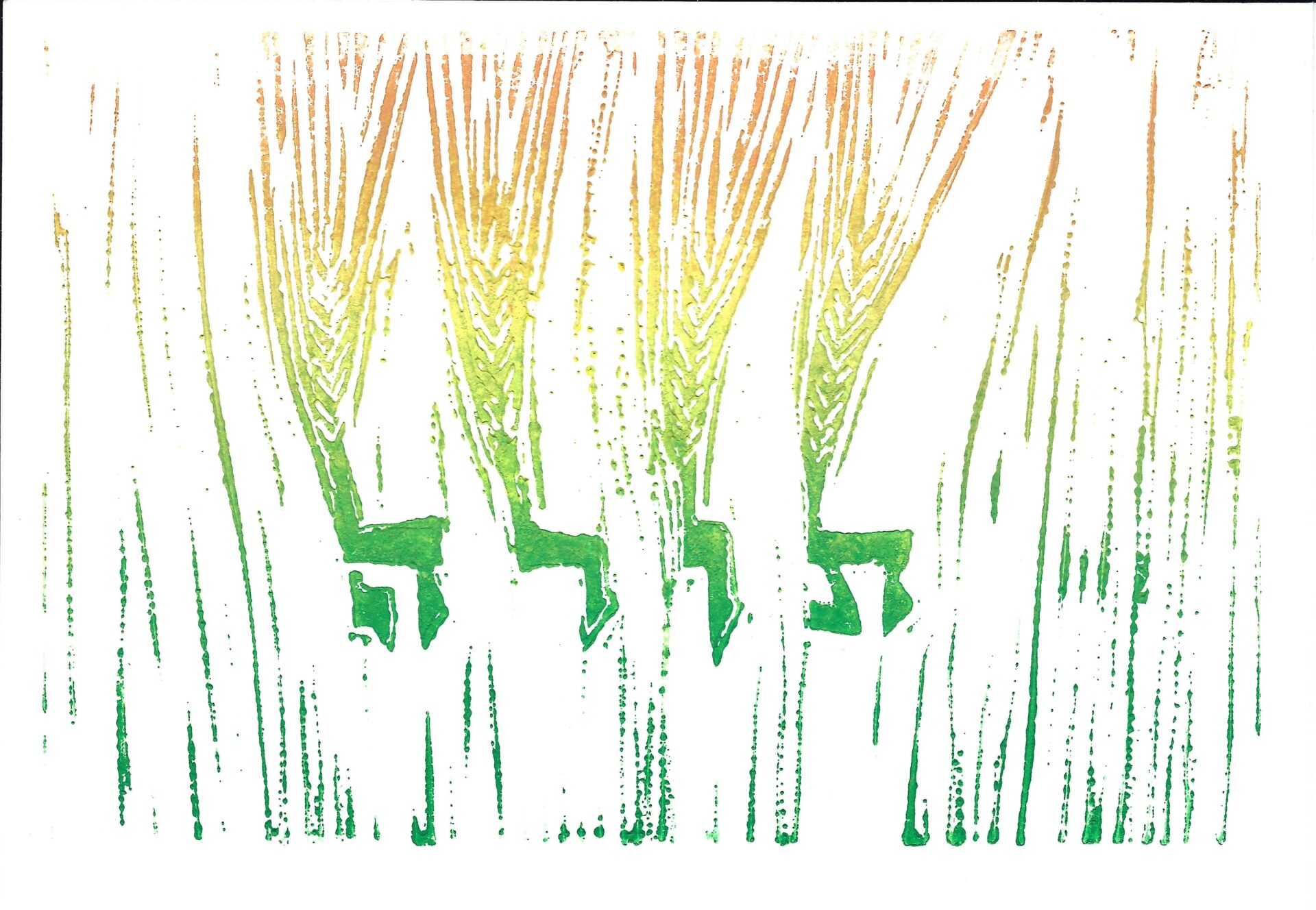
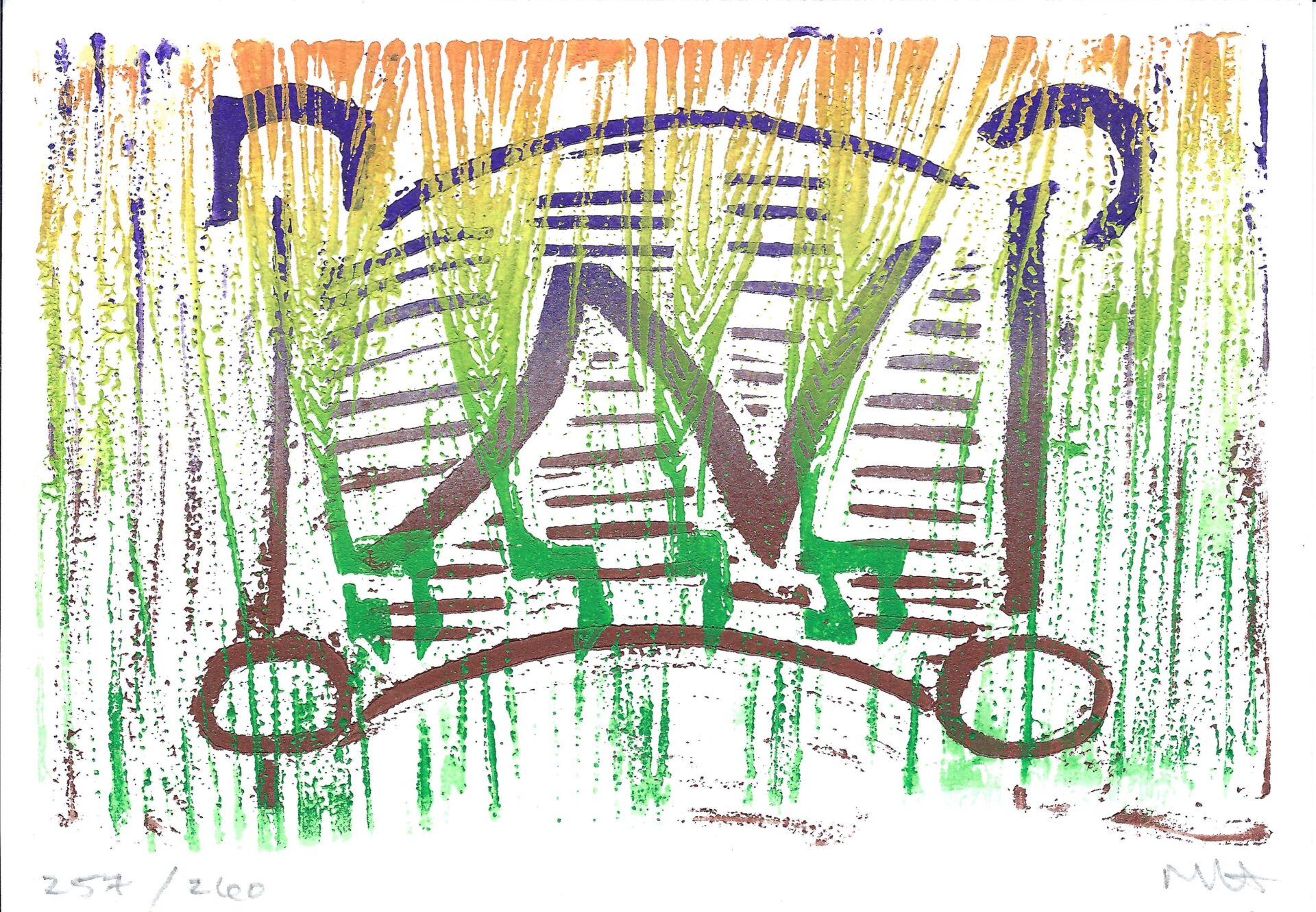
The image on this year’s card uses the word קמח (flour/wheat/sustenance) in script rather than block let­ters, to form an open Torah scroll, while the word תורה (learn­ing) has wheat “grow­ing” from the “crowns” of the letters.

When writ­ing a Torah scroll, Ashke­nazi scrib­al tra­di­tion places “crowns” on the let­ters ש ע ט נ ז ג צ (as well as the “final” let­ters ן and ץ). I’ve tak­en the lib­er­ty of hav­ing wheat appear as crowns grow­ing from let­ters that do not nor­mal­ly have them.


Craig Taub­man sings.


the printing process

The first block “קמח (flour/wheat/sustenance)” as an open Torah scroll:

The sec­ond block “תּוֹרָה (learn­ing)” has wheat “grow­ing” from the “crowns” of the letters:

While I had a col­or scheme in mind, I was not sure how it would work out. I used only those col­ors that I had avail­able when I was ready to print. The מ that fills the open Torah scroll is the first let­ter of the word “מִלָה” which means “word”… the Torah is filled with words. The col­ors of the Torah scroll block rise, in a gra­di­ent, from the dark brown of the earth to the deep indi­go of the sky. The col­ors of the wheat also rise in a gra­di­ent from the fresh green of growth to ripe wheat berries.

Linoleum cut pro­duced by Mark, Sum­mer 2026
©Mark Hurvitz 2026

list of cards

last year’s card

Posted in holidays, judaica | Tagged , | Leave a comment